How to Identify & Get Rid of Lace Bugs

Author:
Mosh Latifi
Co-Owner of Ecocare
Published:
Dec 4, 2025
Lace bugs can turn azalea, olive or sycamore plants into tired, patchy specimens surprisingly quickly. If you’re trying to get rid of them, you’ve probably noticed speckled leaves, thinning foliage and plants that seem to struggle no matter how much you water and feed. Because these tiny insects hide on leaf undersides, they’re often missed until feeding damage is widespread and the plant’s health is clearly affected. Effective lace bug control starts with accurate identification, then moves through prevention, deterrents, treatment and long-term maintenance. Here you’ll learn how to get rid of lace bugs safely while protecting your garden and local wildlife. When infestations keep returning, EcoCare PestControl Management provides rapid, BPCA-certified lace bug pest control across London and Surrey with 24/7 response, DBS-checked technicians and an eco-conscious, guaranteed service.
Table of Content
Lace Bug Facts & Information
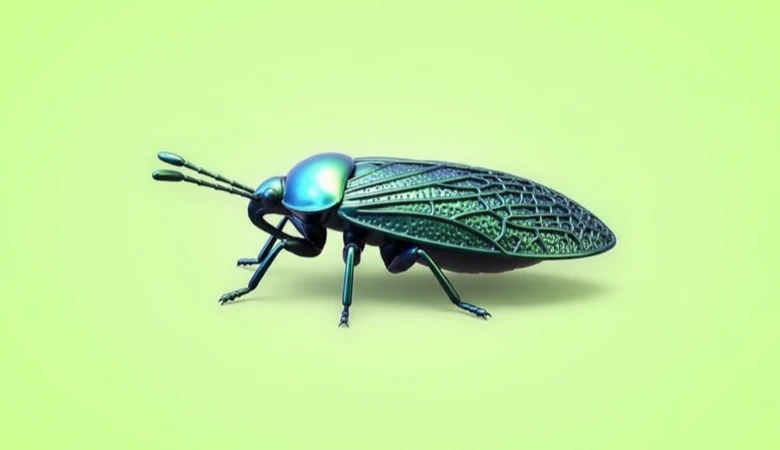
Size: Tiny insect, around 3–5 mm long.
Colour: Cream to light brown body with darker markings.
Wings: Delicate, transparent wings with a fine, lace-like pattern.
Shape: Flat, oval bug with pronounced, raised lace-like ridges.
Diet: Sap-sucking pest feeding directly on leaf tissue and cells.
Behaviour: Found in groups on leaf undersides, especially in hot, dry weather.
Host plants: Azalea, rhododendron, olive, macadamia, sycamore and other ornamental trees and shrubs.
Notable species: Azalea, olive, macadamia and sycamore lace bugs.
Life stages: Egg, nymph and adult bug, with several generations per year.
Damage type: Mainly cosmetic at first, but heavy feeding can seriously affect plant health and vigour.

How to Identify Lace Bugs
Lace bugs are sap-feeding insect pests in the Tingidae family that attack a wide range of ornamental shrubs and trees. Each female bug lays batches of egg cases on the leaf undersides, sometimes inserted into the tissue and covered with a dark, varnish-like coating. These egg clusters hatch into spiny, wingless nymphs that feed in groups before moulting several times into adults. In warm, dry summers, more than one generation of these sap-feeding bugs can develop on the same plant, so populations build rapidly on susceptible hosts. Infestations often start when adults fly in from nearby gardens or when infested nursery stock is brought into a new planting area. Stressed plants in hot, sheltered spots are most likely to suffer, especially where broad-spectrum pesticides have removed natural enemies that would otherwise help to control these insects.
Identifying the Infestation: Signs to Look For
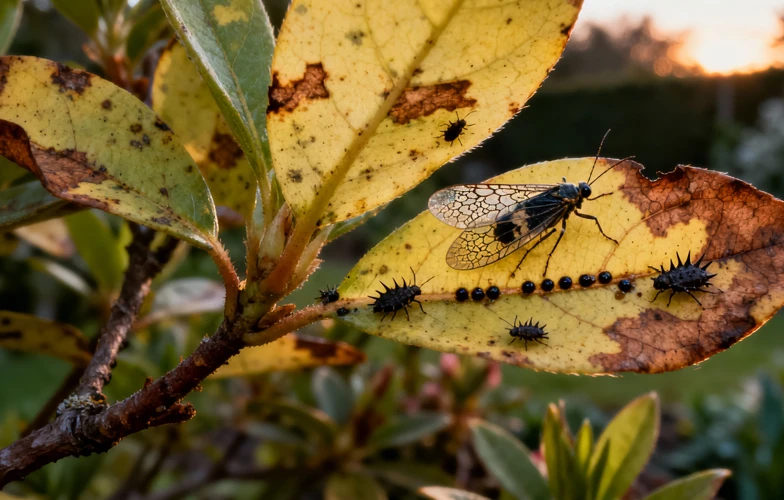
The first sign many gardeners notice is fine, pale speckling or stippling on the upper leaf surface, caused by lace bugs drawing sap from the tissue below. As feeding damage continues, affected leaves turn yellow, bronze or grey and may drop early from the plant or tree. Turn leaves over and you’ll often find clusters of adult bugs and dark, spiny nymphs on the undersides, along with shiny black droppings and neat rows of egg cases. Severely affected plants can look scorched from a distance, with whole sections of foliage ruined and overall growth reduced.

Preventative Strategies: Stop Lace Bugs Before They Start
To get rid of lace bugs before they build up, focus on keeping each host plant as healthy as possible. Water deeply during hot, dry spells, mulch the soil and feed well so the plant can tolerate some insect feeding without long-term damage. Avoid planting azaleas and other susceptible shrubs in deep shade, where damage often looks worse and the pest is harder to spot. Monitoring plants regularly, especially leaf undersides, lets you catch them early and deal with small colonies using simple measures. Prune out heavily infested leaves, remove debris and avoid unnecessary broad-spectrum sprays that harm beneficial insects and disrupt natural control.

Natural Deterrents: Safe, Non-Chemical Repellents
When you first notice lace bug feeding damage, start with natural control methods that are gentle on the plant and local insect wildlife. A firm jet of water from the hose knocks the bugs off leaf undersides and disrupts egg clusters before they hatch. Surround susceptible azalea and rhododendron roots with cedar mulch to create a less welcoming surface for lace bugs. Strong-smelling herbs such as rosemary and basil near the host plant may also help deter this insect pest. Above all, encourage natural predators and other beneficial insects such as ladybirds, lacewing larvae and pirate bugs, which act as natural enemies and help reduce early bug populations as a simple form of biological control.

How to Get Rid of Lace Bugs
If natural deterrents are not enough to control this insect pest, move to more active methods. On shrubs and small trees, vacuuming the undersides of infested leaves removes many adult bugs, nymphs and egg cases in one go. Pruning foliage with the heaviest feeding damage reduces the pest load on the plant. For direct control, insecticidal soaps and horticultural oils work well when sprayed on leaf undersides. Where necessary, spinosad products or pyrethrin sprays can suppress severe lace bug outbreaks with less impact on beneficial insects than broad-spectrum pesticides. Systemic insecticides should be a last resort, especially around flowering borders where bees and other insects are highly active.

Integrated Pest Management: Combining Techniques
The most reliable way to get rid of lace bugs is to combine cultural control, natural control and targeted treatments in one long-term plan. Begin by monitoring plants regularly so you can act when the first adult bug or fresh egg cluster appears on leaf undersides. Keep host plants well watered and mulched, and avoid stressing trees and shrubs with unnecessary fertilisers. Encourage natural enemies and other beneficial insects by avoiding routine broad-spectrum pesticides and choosing spot treatments such as insecticidal soap instead. When repeat infestations occur, or Azalea Lace Bug, Olive Lace Bug or Sycamore Lace Bug is affecting a high-value landscape tree, EcoCare PestControl Management can step in with BPCA-certified lace bug control tailored to your home, garden or commercial site.

Unique Tips & Homeowner Insights
Homeowners often find that once they get rid of one lace bug generation, another appears later in the season from unnoticed egg clusters and eggshells. A monitoring diary helps you track when feeding damage usually starts on each plant or tree so you can act before the pest population explodes. During hot, dry spells, pay extra attention to azalea, olive and sycamore planting areas, as this sap-sucking insect thrives in these conditions. Don’t overlook a tall tree: a qualified arborist can check upper foliage where the insect may be active but hard to see from the ground. Having a clear plan, and knowing EcoCare offers fast lace bug control across London and Surrey, makes dealing with this pest much less stressful.
Quick Takeaways
Regularly check leaf undersides for adult lace bugs, nymphs, droppings and egg clusters.
Keep each host plant healthy with good watering, mulching and by pruning foliage where lace bug damage is heavy.
Encourage natural predators and other beneficial insects, and avoid unnecessary broad-spectrum pesticides that remove natural enemies.
Use insecticidal soap, horticultural oils, spinosad products or pyrethrin sprays carefully when you need to get rid of stubborn infestations.
Call EcoCare PestControl Management for BPCA-certified lace bug pest control for trees, shrubs and commercial landscapes.

Long-Term Lace Bug Control & Prevention
Getting on top of lace bugs is not about one quick spray; it’s about a routine that helps you get rid of the bug before it takes over your garden. Combine monitoring plants regularly, good cultural control and strong plant care with spot treatments such as insecticidal soaps or horticultural oils when you see fresh feeding damage. Encourage biological control by protecting natural enemies and other beneficial insects, and avoid harsh chemical shortcuts that create more pest problems later. When a lace bug infestation is affecting a tree or a sensitive commercial site, EcoCare PestControl Management brings together advanced inspection, safe products and years of experience to help you get rid of lace bugs for good. With the right maintenance, you can protect every plant and tree and enjoy healthy foliage without visible damage year after year.
Frequently Asked Questions