How to Identify & Get Rid of Moths

Author:
Mosh Latifi
Co-Owner of Ecocare
Published:
Nov 25, 2025

Wondering how to get rid of moths before they ruin your favourite clothes and stored food? A small moth infestation can quickly become a big problem, chewing through wool, silk and cashmere and contaminating dry goods in your pantry. This guide walks you through how to get rid of moths step by step – from identification to prevention, deterrents, eradication and long-term control. You’ll learn how to spot clothes moths, pantry moths and carpet moths, how to get rid of clothes moths in wardrobes, and how to get rid of food moths in kitchen cupboards. Where DIY options aren’t enough, EcoCare PestControl Management provides fast, eco-friendly moth control across London and Surrey, with BPCA-certified technicians ready to help you eliminate moths and keep your home protected.
Table of Content
Moth Facts & Information
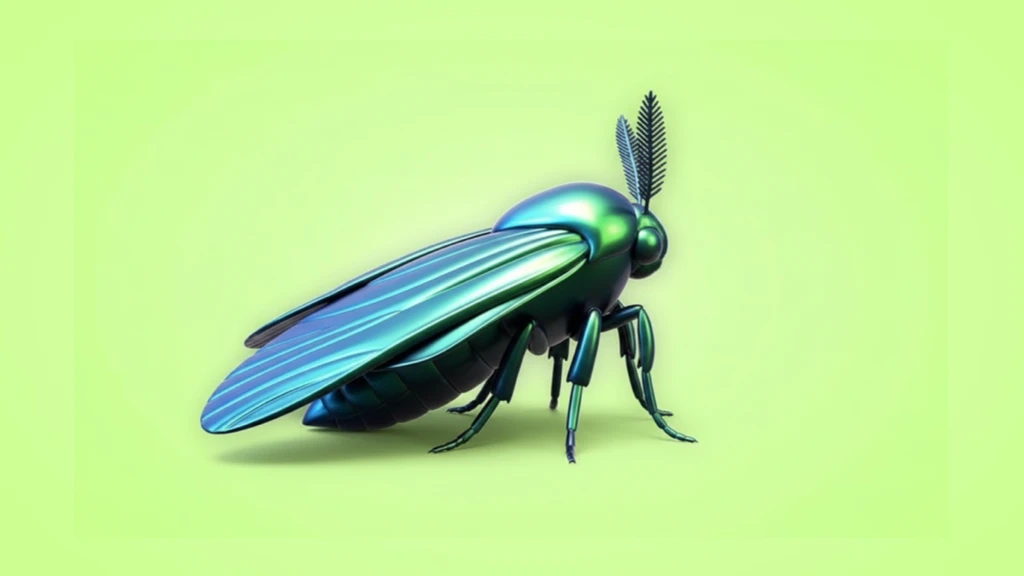
Size: Adult moths typically have a 6–10 mm body length; wingspan 8–16 mm.
Wings: Narrow wings, often fringed; clothes moths are weak fliers and avoid light.
Colour: Pale beige, buff or brown; pantry moths may show darker bands on the wings.
Diet (larva): Keratin in clothes, fur and carpets; or grains, cereals and dried food.
Shape: Slender body; wings held roof-like over the body when at rest.
Behaviour: Prefer dark, undisturbed areas; adults lay eggs directly on suitable items.
Common species: Clothes moths, carpet moths, webbing clothes moths, grain moths, Indian meal moths.

How to Identify Moths
To get rid of moths properly, you need to understand which type you’re dealing with. Clothes moths and carpet moths target natural fabrics, while pantry moths and other food moths focus on stored grains and dry goods. All share the same basic life cycle: egg, larva, pupa, adult. A single female can lay dozens of eggs in a hidden area, often on a favourite garment, rug or food item. These eggs hatch into larvae, the stage that causes almost all the damage.
Larvae feed quietly on clothes, carpets or food for weeks, then spin a cocoon to form the pupa. After that, the adult moth emerges to mate and repeat the cycle. Warm, undisturbed areas with plenty of fabric or food help infestations thrive. Poorly sealed containers, overflowing cupboards and rarely moved furniture all attract moth activity. Understanding this cycle makes it easier to get rid of moths at every stage and prevent future outbreaks.
Identifying the Infestation: Signs to Look For
To get rid of moths effectively, watch for small, irregular holes in clothes, especially wool, silk and cashmere. Look for loose fibres and threadbare patches on carpets in dark areas such as under furniture. Larvae may appear as tiny cream-coloured caterpillars with darker heads, sometimes hidden in webbing or a silk case. You might also spot adult moths fluttering near skirting boards, wardrobes or pantry shelves. In the kitchen, check for webbing in food packaging, clumps in flour or cereal, and tiny eggs or larvae around dry goods. Any of these signs indicate active moth activity that needs fast control.

Preventative Strategies: Stop Moths Before They Start
Good routines make it much easier to get rid of moths and avoid repeat infestations. Vacuum regularly, paying special attention to skirting boards, corners, wardrobe floors and under furniture, then empty the bag outside. Wash clothes before long-term storage, as body oils and food stains attract larvae. Store valuable clothing and fabric items in airtight bags or plastic containers, and use sealed plastic bins in attic or basement areas. In the kitchen, move dry goods into airtight containers or zip-top bags and rotate stock so nothing sits for months. Deep clean shelves, wipe them with vinegar or hot soapy water, and seal cracks and crevices to help prevent moths settling in again.

Natural Deterrents: Safe, Non-Chemical Repellents
Natural moth deterrents help you get rid of moths without harsh substances, making them useful in clothing storage, attic spaces and pantry areas. Fresh cedar and cedar blocks release a scent that disrupts moth activity and discourage adult moths from laying eggs on fabric. Cedarwood oil can be added lightly to sachets or used as a simple herb spray around wardrobes and drawers. Strong herbs such as lavender, rosemary and mint make effective homemade deterrents that repel clothes moths and pantry moths. White vinegar is another reliable option; wipe plastic containers, shelves and storage bins with vinegar to remove moth eggs and reduce the odours that attract moths. These natural steps help prevent clothes moths returning and keep dry-goods storage safer without chemicals.

How to Get Rid of Moths
When an infestation is already active, you need direct action to get rid of moths at every stage. Start by vacuuming thoroughly across wardrobe floors, rugs, carpet corners and any areas behind furniture. Vacuum pantry shelves and clean infested areas to break the breeding cycle, then deep clean surfaces using hot soapy water. For fabrics, wash clothes on a hot wash or hot dry cycle, using high heat to kill moth larvae and clothes moth larvae hidden inside textiles. Freeze items such as sweaters, cashmere or delicate garments by placing them in airtight bags and putting them in a deep freezer for several days. Pantry goods affected by pantry moth eggs or food moths should be discarded immediately. Use sticky traps, clothes moth traps or pantry moth traps to monitor activity, while dust insecticides or liquid insecticides may be applied in severe carpet moth or webbing moth outbreaks.

Integrated Pest Management: Combining Techniques
A balanced approach gives the best results when trying to get rid of moths. Combine natural deterrents, regular cleaning, high-heat treatments, deep-freezing cycles and airtight storage to prevent moths from returning. Keep each area inspected, seal cracks and crevices, and replace soiled packaging with airtight containers or zip-top bags. If moth activity persists, calling a professional from EcoCare PestControl Management ensures thorough moth control using safe, targeted methods. Their BPCA-certified team will inspect the property, identify each type of moth and tailor treatment for long-term prevention.

Unique Tips & Homeowner Insights
Small habits make it easier to get rid of clothes moths and avoid the constant worry of damaged clothing. Rotate stored garments so nothing remains undisturbed for months. Keep wardrobe doors open for a few hours each week to reduce the dark, warm areas where adult moths prefer to lay eggs. Store items made of wool, silk or leather in airtight bags, and keep herb sachets inside drawers for a fresh scent. In the kitchen, check dry-goods storage frequently, clean container bases and use white vinegar to wipe shelves. These steps help you stay in control and maintain a moth-free home.
Quick Takeaways
Vacuum regularly and deep clean any affected areas.
Use airtight containers and zip-top bags to store items safely.
Use cedar, herb sachets and white vinegar as natural moth deterrents.
Heat treatments, hot washes and deep-freezing cycles help kill larvae and eggs.
Call a professional if moth activity continues.

Long-Term Moth Control & Prevention
Long-term success depends on staying ahead of moth activity and using several methods together. Natural deterrents such as cedar and strong herbs help prevent moths, while correct storage in airtight bags and plastic containers protects garments and pantry items from future infestation. Cleaning routines, hot-water washing and freezing cycles help remove moths across clothing, carpets and dry goods. Monitoring with sticky traps and keeping each area regularly inspected reduces the hidden spots where moth eggs and larvae can develop.
If an infestation continues or spreads to another area of the home, EcoCare PestControl Management provides fast, local and environmentally conscious moth control across London and Surrey. Their expert technicians combine modern techniques with tailored advice, helping households get rid of moths effectively and keep belongings protected throughout the year.
Frequently Asked Questions