How to Identify & Get Rid of Ants

Author:
Mosh Latifi
Co-Owner of Ecocare
Published:
Dec 11, 2025
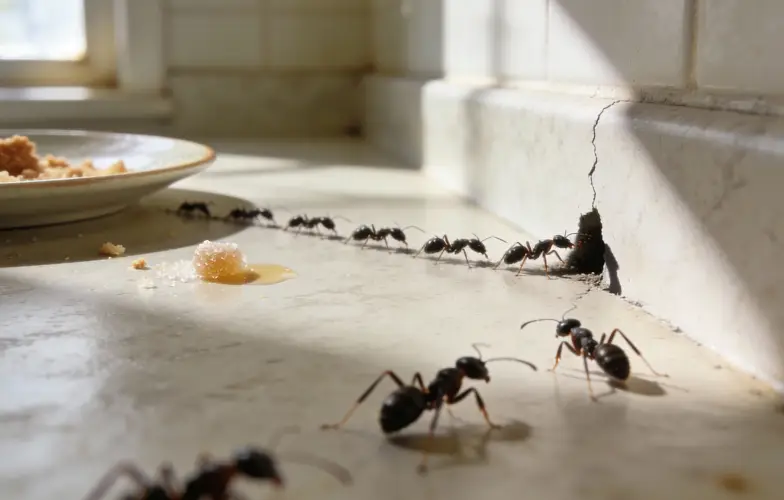
When you’re searching for ways to get rid of ants, it’s usually because they’ve already invaded your kitchen, garden or business premises. A few scout ants around a food source can quickly turn into a serious infestation, marching in long lines across worktops, floors and outdoor seating areas. Left unchecked, ants contaminate food, undermine customer confidence and damage your reputation.
This guide explains how to identify different ant species, why they’re attracted to your home or workplace, and how to get rid of them using smart prevention, targeted deterrents and thorough eradication. You’ll also learn how to keep problem areas ant-free with ongoing maintenance. For more complex infestations, EcoCare PestControl Management provides expert, eco-conscious professional ant control across London and Surrey, combining technology, BPCA-certified technicians and proven methods.
Table of Content
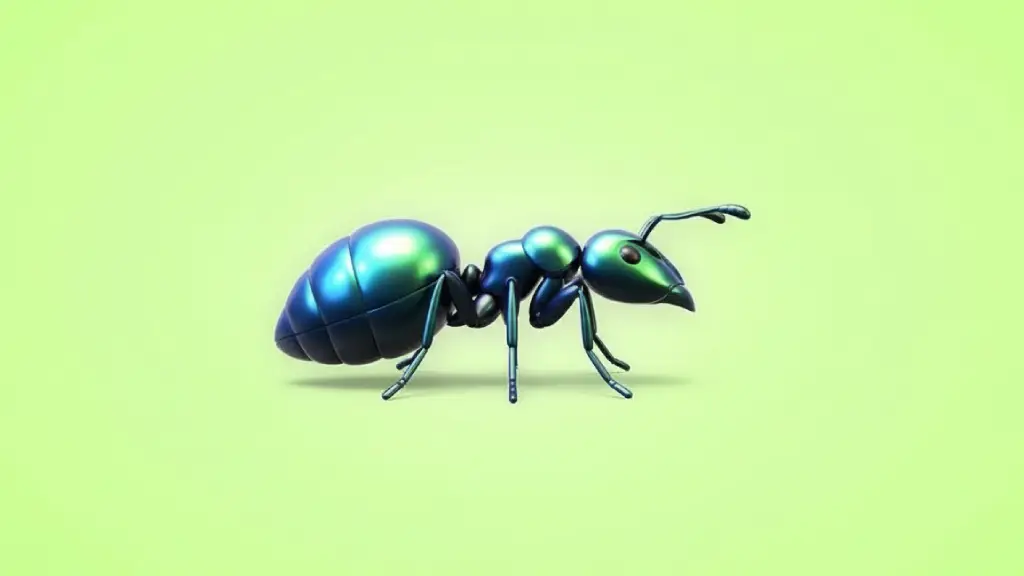
Ant Facts & Information
Size: Most UK ants are 2-5 mm long; queens are larger.
Colour: Commonly black or dark brown; yellow meadow ants are yellowish.
Wings: Reproductive ants develop wings for nuptial flights.
Diet: Attracted to sugary foods, greasy residues and protein-rich food sources.
Behaviour: Live in colonies with a queen, workers and brood.
Scent trail: Workers lay pheromone trails from the nest to food sources.
Habitat: Nest in soil, under paving, and within walls, floors and building foundations.and building foundations.

How to Identify Ants
To get rid of ants effectively, it helps to understand how they live. The main ant species in the UK are the common black ant (Lasius niger), the yellow meadow ant (Lasius flavus) and several red ants (Myrmica), which can sting when disturbed. In some buildings, carpenter ants, pavement ants, thief ants and odorous house ants may also appear, especially where there is damp wood or easy access to food.
Each colony is built around a queen ant that can live for years, laying thousands of eggs. Eggs develop into larvae, then pupae, then worker ants that search for food and establish strong scent trails between the nest and any reliable food source. Flying ants appear when reproductive males and females leave to start new colonies.
Infestations usually develop where food is readily available and where there are cracks, gaps or broken seals around doors, windows, pipes and foundations. Inadequate cleaning, open food containers, pet food left out and compost or rubbish close to the house all increase the chance that ants will find your property and return repeatedly.
Identifying the Infestation: Signs to Look For
The most obvious sign of an ant infestation is seeing lines of worker ants travelling back and forth along a set trail, especially in the kitchen, around bins or outside along paving and walls. You may notice ants clustering around sugary food, greasy spills or pet bowls, then disappearing into a crack, gap in the flooring or hole in the brickwork. Winged ants in the house during summer indicate a mature colony nearby. Outside, small soil mounds between paving slabs, at the base of walls or in the garden often mark nesting areas. Follow the ant trail carefully to locate entry points and the general nest area so you can treat and get rid of ants more effectively.

Preventative Strategies: Stop Ants Before They Start
To prevent ants in the home, focus on denying them easy food and simple access. Wipe up spills quickly, clean surfaces thoroughly, and sweep or vacuum crumbs from floors, skirting boards and under appliances. Store all food in sealed containers, including sugar, cereal, biscuits, pet food and bird seed, so there is no attractive food source.
Outside, keep bins closed, bag rubbish properly and move potted plants away from the house foundations. Trim vegetation so trees and shrubs don’t touch walls, and seal cracks and holes in walls and floors to block entry points. Around doors, windows and service pipes, use quality sealant so the scent trail to indoor food areas is cut off before an infestation can build.

Natural Deterrents: Safe, Non-Chemical Repellents
If you want to get rid of ants without harsh chemicals, use non-toxic methods that deter them from sensitive areas indoors and outdoors. A spray made from white vinegar and water works as a natural ant repellent - use vinegar to remove ant trails on floors, worktops and skirting boards so the scent link to any food source is broken. Add lemon juice or citrus peel for extra cleaning power around the kitchen. You can also dust cinnamon, coffee grounds, cayenne pepper or black pepper along regular trails and by entry points. Peppermint essential oil, fresh mint and lavender oil are natural ways to discourage activity on windowsills and door frames.

How to Get Rid of Ants
When an ant infestation has already taken hold, you need practical methods that deal with the whole colony. Vacuum visible insects and crumbs, then empty the bag outside so they cannot return and rebuild a scent trail. You can freeze lightly infested items to kill eggs and workers.
Sugar and bicarbonate of soda bait is a simple, natural option: the sweet food attracts workers, while the powder helps eliminate the colony at its source. For faster control indoors and in the garden, bait gels and bait stations are effective when used carefully around children and pets. Use ant killer spray only as a spot treatment; rely on baits that workers carry back to the nest to clear an infestation properly.

Integrated Pest Management: Combining Techniques
The most reliable way to get rid of ants is to combine several approaches into one integrated plan. Good cleaning and proofing reduce access to food, while natural ant barriers, targeted bait and limited use of ant killer spray break the scent trail and stop new workers coming indoors. EcoCare PestControl Management uses this method across London and Surrey, pairing non-toxic options with modern technology. BPCA-certified technicians inspect each area, identify the ant species present and choose an effective control method for that property. If you are asking, ‘How do I get rid of ants for good?’, professional ant pest control ensures the infestation is removed quickly and the source is brought under control.

Unique Tips & Homeowner Insights
Once you get rid of ants in your home, the focus is on keeping them out. Wipe down every surface after preparing food, and store sugar, cereal and pet food in sealed containers so there is no easy food source to attract a new colony. Prevent ants entering by sealing cracks and holes in walls and floors, especially behind cupboards and around pipework. Outside, move potted plants away from the foundations, keep trees and shrubs trimmed back from your home and clear spills from barbecue areas. Most black garden ants are harmless, but some red species can sting and become a nuisance in large numbers, so tackling any infestation early will improve everyday comfort and peace of mind.
Quick Takeaways
Use vinegar to remove ant trails and break the scent link to any food source.
Try natural ant bait and household ingredients to get rid of ants indoors.
Prevent ants in the home by cleaning up crumbs and sealing every crack.
Use bait gels and stations rather than relying only on ant killer spray.
Call EcoCare for professional ant treatment if problems keep returning.

Long-Term Ant Control & Prevention
Learning how to get rid of ants is not about one quick fix; it’s about making your property less attractive to scouting worker ants. Keep every area as clean as possible, remove food sources promptly and protect entry points with sealing work and natural ant barriers. If you notice winged ants in the house, or repeated lines of workers in the kitchen or garden, that indicates a mature infestation and it’s time to act.
Across London and Surrey, EcoCare PestControl Management is a leading provider of professional ant control, ready to help you get rid of ants indoors and outdoors using modern ant control methods and eco-friendly professional treatments, available 24/7 for homes and businesses.
Frequently Asked Questions