What Are the 3 Methods of Pest Control?


Author:
Mosh Latifi
Co-Owner of Ecocare
Published:
May 5, 2026
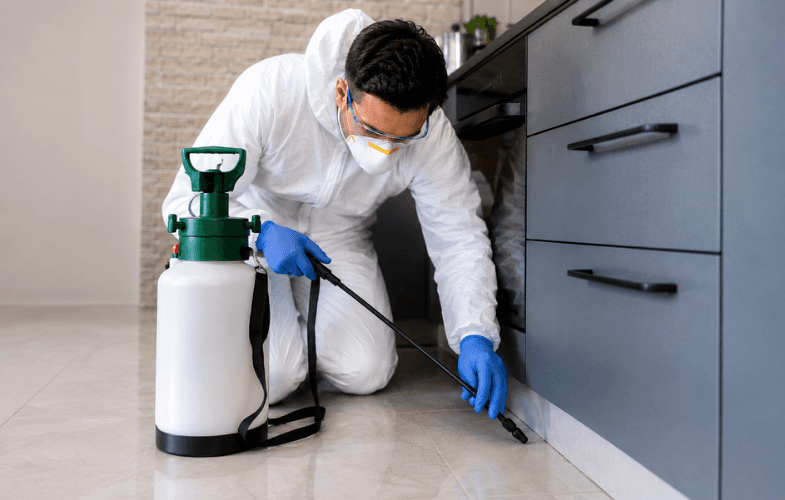
Pest control is not simply about removing unwanted pests from a property. It is about understanding why they are there, how they are behaving, and what conditions are allowing them to thrive. Without that understanding, any treatment is likely to be temporary.
In practice, pest control falls into three main methods. These are physical control, chemical control, and biological control. Each method has a specific role, and the most effective results are achieved when they are used together in a considered way.
At EcoCare, the focus is always on applying the right method at the right time. This ensures the issue is handled properly while also reducing the likelihood of it returning. We prioritise eco-friendly pest control methods wherever possible, using targeted, responsible treatments that minimise impact on people, pets, and the wider environment.
Table of Content
Physical Pest Control
Physical pest control is often the starting point for managing pest activity. It focuses on removing pests directly or preventing them from entering a property in the first place. This method does not rely on chemicals, which makes it suitable for a wide range of environments.
One of the most common forms of physical control is trapping. This is frequently used for rodents such as rats and mice. Traps can be placed in areas where activity has been identified, allowing technicians to monitor movement and deal with the problem in a controlled way. In some cases, traps are also used as part of an ongoing monitoring system to detect early signs of activity.
Another key aspect of physical control is proofing. This involves identifying and sealing entry points that pests use to access a building. Gaps around pipework, damaged vents, broken brickwork, and poorly fitted doors are all common access points. In many properties, especially older buildings, these small structural issues are enough to allow pests inside.
Bird control also relies heavily on physical methods. Netting, spikes, and other deterrents are used to prevent birds from nesting or roosting on buildings. These solutions are designed to be effective without causing harm, making them suitable for both residential and commercial properties.
The strength of physical control lies in its ability to address the source of the problem. Rather than simply removing pests, it changes the conditions that allow them to enter and remain. This makes it a key part of long term pest management.

Chemical Pest Control
Chemical pest control is used to manage or eliminate pest populations when physical methods alone are not enough. It involves the use of professional treatments that are selected based on the type of pest and the environment in which they are being applied.
Modern pest control treatments are far more targeted than many people expect. Rather than applying products broadly, technicians use them in specific areas where pests are active. This improves effectiveness and reduces unnecessary exposure.
Different pests require different treatments. Rodents may require the use of baiting systems, while insects such as cockroaches or ants may be treated using gels or residual products applied to key areas. Bed bugs often require more specialised approaches, including heat treatments, due to their ability to hide in small spaces and spread quickly.
The application of chemical treatments must always be carried out carefully. This includes considering the presence of people, pets, and food preparation areas.
Chemical control is particularly important when dealing with established infestations. In these situations, pests are already present in significant numbers, and a direct method is needed to bring the problem under control. However, chemical treatment on its own is rarely enough. Without addressing access points and environmental factors, there is a risk that pests will return once the treatment has worn off.

Biological Pest Control
Biological pest control involves using natural processes to manage pest populations. This method is more commonly associated with outdoor environments, but it still plays a role in overall pest management. The principle behind biological control is simple. It uses natural predators, parasites, or environmental factors to reduce pest numbers. In agricultural settings, this might involve introducing beneficial insects that feed on pests. In urban environments, the approach is often more subtle.
For example, reducing food sources and managing waste can limit the conditions that allow pests to thrive. Maintaining outdoor spaces, clearing vegetation, and preventing standing water all contribute to controlling pest activity. These actions support a more balanced environment where pests are less likely to establish themselves.
While biological control is not usually a standalone solution for indoor infestations, it supports long term prevention. It works alongside physical and chemical methods to create an environment that is less attractive to pests.
Why One Method Is Not Enough
Each of the three methods has its own strengths, but no single method is effective in every situation. Relying on one approach alone often leads to short term results.
For example, removing pests without addressing how they entered the property will not prevent the problem from returning. Similarly, sealing entry points without dealing with an active infestation will not resolve the immediate issue.
Effective pest control requires a balanced approach. Physical methods are used to prevent access, chemical treatments are used to manage active problems, and biological factors are considered to reduce long term risk. When these methods are combined, they provide a more complete solution.
A Practical Example
To understand how these methods work together, consider a typical rodent issue in a residential property. The first step is to identify where the rodents are entering. This may involve inspecting external walls, drainage systems, and internal spaces such as lofts or cupboards. Once entry points are found, proofing work is carried out to seal these areas.
At the same time, traps or baiting systems may be used to deal with any rodents already inside the property. This addresses the immediate problem and reduces activity.
Finally, steps are taken to remove any conditions that may attract rodents in the future. This could include improving waste storage, removing food sources, or making small adjustments to the property layout. By combining these methods, the issue is dealt with more effectively and the risk of it returning is reduced.

Choosing the Right Approach
The right pest control method depends on several factors. These include the type of pest, the size of the infestation, and the environment in which it is taking place.
In residential properties, safety and minimal disruption are often the priority. This means using targeted treatments and focusing on prevention wherever possible. In commercial settings, there may also be legal and compliance requirements to consider, particularly in industries such as food and hospitality.
A professional inspection is the best way to determine the most appropriate approach. This allows technicians to assess the situation and recommend a solution that is tailored to the specific circumstances.

The Role of Prevention
Prevention is a key part of any pest control strategy. Without it, there is always a risk that pests will return, particularly in areas with ongoing environmental pressures.
Simple measures can make a significant difference. Keeping properties clean, managing waste properly, and addressing minor maintenance issues all help to reduce the likelihood of pest activity. Regular inspections also allow problems to be identified early, before they develop into larger infestations.
For businesses, ongoing pest control programmes provide an additional level of protection. These programmes include regular visits, monitoring, and documentation, ensuring that any issues are dealt with quickly and that standards are maintained.
Final Thoughts
The three main methods of pest control each play an important role. Physical control prevents pests from entering, chemical control manages active infestations, and biological control supports long term balance.
When used together, these methods provide a more effective and reliable way to manage pest issues. Rather than focusing on a quick fix, the aim is to create a solution that addresses both the problem and the conditions behind it.
At EcoCare, this approach ensures that every pest issue is handled with care, precision, and a clear plan. By combining the right methods and adapting them to each situation, it is possible to achieve lasting results and maintain a pest free environment.
Get Fast Pest Control Help
Stop pest issues before they get worse. Our BPCA-certified team is available 24/7 across Bromley, delivering fast, discreet, and eco-friendly solutions for homes and businesses.
Call 0208 146 1490 now or get in touch to arrange an urgent visit or free quote.